Showing posts with label Mukundamala. Show all posts

Tuesday, 5 September 2017

September 5, 2017: Mukundamala


mābhīr manda-mano vicintya bahudhā yāmīś ciraṁ yātanā
naivāmī prabhavanti pāpa-ripavaḥ svāmī nanu śrīdharaḥ
ālasyaṁ vyapanīya bhakti-sulabhaṁ dhyāyasva nārāyaṇaṁ
lokasya vyasanāpanodana-karo dāsasya kiṁ na kṣamaḥ

manda manaḥ - O  my foolish mind!
mā bhīḥ vicintya bahudhā - don't fear, thinking long on yāmīḥ ciram yātanāḥ -Yama's endless torments in hell (on account of your evil deeds),

 na eva amī pāparipavaḥ prabhavanti -nor indeed are these evil deeds of yours going to prevail, given that

nanu śrīdharaḥ svāmī -Lord Vishnu, consort of Lakshmi=good fortune, is our master, isn't He?
ālasyam vyapanīya -giving up your sloth, 
dhyāyasva - just meditate on Him,
nārāyaṇam bhaktisulabham -Narayana, easily attained through devotion,
dāsasya lokasya vyasana apanodana-karaḥ - who dispels the devotees' woes,  
kim na kṣamaḥ -after all, what is He not capable of?

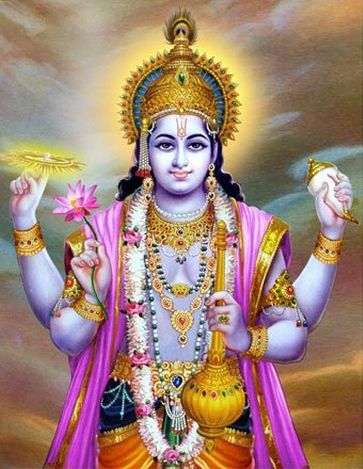
Today is Anantachaturdashi. Lord Vishnu has been my constant companion, guide, lord and master, and as I have often described Him, my partner and confabulator all these 65 years.

I feel blessed, indeed!

Saturday, 26 August 2017

August 26, 2017: Mukundamala


śrī  mukundamāla

mukunda mūrdhnā praṇipatya yāce
bhavantamekantamiyantamartham        |
avismṛtistvaccaraṇāravinde
bhave bhave me'stu bhavatprasādāt     ||

nāhaṃ vande tava caraṇayordvandvamadvandvahetoḥ
kumbhīpākaṃ gurumapi hare nārakaṃ nāpanetum  |
ramyārāmāmṛdutanulatā nandane nāpi rantuṃ
bhāve bhāve hṛdayabhavane bhāvayeyaṃ bhavantam       ||

Re-ordered word-by-word meaning

śrī  mukundamāla

mukunda - Oh Mukunda!
bhavantam ekantam    -Of You, in private audience,
 yāce praṇipatya mūrdhnā - I beg You, bowing down my head, (connotes absolute supplication)
iyantam artham - this much (of substance/value!)
bhave bhave bhavatprasādāt - birth after birth, by Your grace,  
avismṛtiḥ - (that) there shall not be any forgetfulness , ie let there be constant remembrance 
tvaccaraṇāravinde - of Your lotus feet
me astu  - (let it be so) for me.

 hare - Oh Hari! ahaṃ na vande - I do not pray
tava caraṇayoḥ dvandvam advandvahetoḥ - at your (pair of) feet that can instantly confer release from the duality of pleasure and pain that is a reality of all existence, (that)
na apanetum api- Not to eliminate either
nārakaṃ gurum kumbhīpākaṃ - (the prospect of suffering) Hell's terrible boiling oil baths,
 na api rantuṃ ramyā-rāmā-mṛdutanulatā-nandane - nor for the prospect of enjoying in heaven the company of lovely, charming, women, of slender limbs,
BUT I DO PRAY ONLY THAT
bhāve bhāve - I, birth after birth,
bhāvayeyaṃ - shall definitely cherish, by constant remembrance,
bhavantam -You, Oh Lord,  hṛdayabhavane  - in my heart's shrine.

These shlokas typify the devotee's constant prayer to God, to give constant remembrance. The joy and blessedness of that experience is paramount. Not salvation, liberation, heavenly pleasures, or escape from hell. 

Someone in Basavanagudi used to recite Mukundamala every morning as he cycled some 20 km to HAL factory. He would start early, and he would pass our home, around 6:00 am or so, in the chilly misty Bangalore morning, as he would be chanting these shlokas audibly. How blessed I was to listen to this, every morning, to add to the joy of praying at the Narayana temple opposite our home any time I wanted!

Monday, 21 August 2017

August 21, 2017 : Mukundamala


||    kulaśekharaviracita mukundamālāstotram   ||

kṛṣṇa tvadīya-pada-paṅkaja-pañjarāntam
adyaiva me viśatu mānasa-rāja-haṁsaḥ
prāṇa-prayāṇa-samaye kapha-vāta-pittaiḥ
kaṇṭhāvarodhana-vidhau smaraṇaṁ kutas te

kara-caraṇa-saroje kāntiman-netra-mīne
śrama-muṣi bhuja-vīci-vyākule 'gādha-mārge
hari-sarasi vigāhyāpīya tejo-jalaughaṁ
bhava-maru-parikhinnaḥ kleśam adya tyajāmi

Re-ordered Word -by-word meaning


kṛṣṇa - Oh Krishna! adyaiva - right now me mānasa-rāja-haṁsaḥ - (let) my mind, which ought to be like a royal swan tvadīya-pada-paṅkaja-pañjarāntam -inside the vault/cage of your lotus feet viśatu - rest/make its home. (For)
kutaḥ - How will it be possible for me , te smaraṇaṁ - to ensure my remembering and chanting your resurrecting name, prāṇa-prayāṇa-samaye - at the moment of my life-breath passing 
kaṇṭhāvarodhana-vidhau - as my vocal chords would be constricted kapha-vāta-pittaiḥ - by phlegm and wind and bile? 

bhava-maru-parikhinnaḥ - (I who am) wretched and distressed wandering in the inhospitable desert of worldliness, 
hari-sarasi - in the vast lake/ocean of God called Hari
kara-caraṇa-saroje - filled with the lotuses of His hands and feet, kāntiman-netra-mīne - with fishes brightly darting viz. his eyes, bhuja-vīci-vyākule - with His arms moving and busily engaged in śrama-muṣi - removing my hardship and tiredness, agādha-mārge - of vastness in size ( with no paucity to accommodate me)
vigāhya - having plunged into it āpīya - having drunk to my heart's content of tejo-jalaughaṁ - that potent and copious waters,  kleśam - my distress and difficulty, 
adya - rightaway tyajāmi - shall abandon.

The first shloka illustrates the wisdom of the devotee who pleads with God to grant him the grace to engage in devotional prayer right now, realising that there is no sense in postponing prayer to the moment of death, when one is unable to cope with illness and therefore unable to think of God and pray.

The second shloka is a prayer from the devotee who compares worldly troubles to a burning desert and the effect of engaging in prayer to a plunge into a cool, vast, lake which actively removes distress.

mukundamala is a wonderful prayer which I learnt as a kid!